

Depression & Burnout Treatment
Depression doesn't always look like someone who can't get out of bed. Sometimes it looks like the person who keeps showing up — going through all the motions, doing everything they're supposed to do — while feeling completely hollow inside. Maybe you've lost interest in things that used to matter. Maybe you're exhausted no matter how much you sleep. Maybe you just feel numb, disconnected, or like you're watching your own life from a distance.
That's depression — and it's not a character flaw, a lack of motivation, or something you can just snap out of. It's a real, treatable condition, and depression therapy can help you move through it rather than just survive it.


What Depression Can Look Like
Depression and burnout share a lot of the same territory, and they often show up together — especially for people who’ve been pushing through stress, grief, or overwhelm for a long time without real support:
- Persistent sadness, emptiness, or feeling nothing at all
- Loss of interest in people, hobbies, or activities you used to enjoy
- Fatigue that rest doesn’t fix — low energy no matter what you do
- Difficulty concentrating, making decisions, or remembering things
- Sleeping too much or not enough
- Changes in appetite or weight you can’t explain
- Feelings of worthlessness, guilt, or shame that don’t match reality
- Withdrawing from people and isolating, even when you don’t want to
- Burnout — feeling emotionally depleted, cynical, or completely checked out
- A sense that things won’t get better, even when you want them to
If you’ve been carrying any of this — for weeks, months, or longer — depression therapy can help. You don’t have to hit a rock bottom to deserve support.
How Depression & Burnout Therapy Works with
Bloom Within Counseling
Depression responds well to therapy — especially when the approach is tailored to what's actually underneath it. For some people that's grief or loss. For others it's chronic stress, unprocessed trauma, or a long season of giving everything to everyone else. Melanie works to understand what's driving your depression, not just reduce its symptoms. Sessions may draw from:

Cognitive Behavioral Therapy (CBT)

EMDR Therapy
When depression is rooted in past pain — loss, trauma, or experiences that left a mark — EMDR therapy can help process what's been sitting beneath the surface. Many clients find that once the weight of those unprocessed experiences is addressed, the heaviness of depression begins to lift in ways that talk therapy alone couldn't reach.
Behavioral Activation
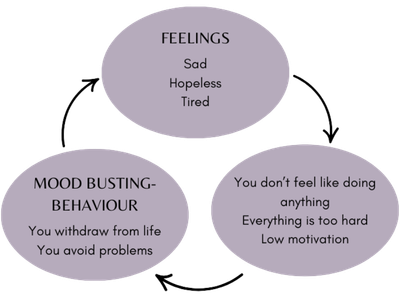
One of the cruelest things about depression is that it takes away your motivation to do the very things that would help you feel better. Behavioral activation is a structured, gentle way of rebuilding engagement with meaningful activities — not to force positivity, but to create real momentum toward feeling more like yourself again.

Narrative Therapy
Depression often comes with a story — "I'm not enough," "I always fail," "I don't deserve good things." Narrative therapy helps you examine those stories, separate them from your identity, and begin to author a more accurate account of who you are and what's possible for your life.
What to Expect in Depression Therapy
First Session
The first session is a conversation, not an assessment you need to pass. We'll talk about how you've been feeling, how long it's been going on, and what you're hoping life could look like on the other side of this. You set the pace — there's no pressure to have it all figured out before we begin.
Ongoing Sessions
Depression therapy is a process, not a quick fix — but most clients start noticing real shifts earlier than they expect. Sessions are adjusted as you progress, with the focus always on meaningful change rather than just getting through the week. Melanie checks in regularly on what's working and what needs to shift.
Between Sessions
Small, consistent actions between sessions can make a real difference when you're working through depression. Melanie may offer tools, reflections, or gentle practices to carry into your week — nothing overwhelming, just things that support what you're building in the room.
Frequently Asked Questions
Schedule Your Appointment Today!
Mon - Thurs: 9 AM - 5 PM
Fri: 9 AM - 3 PM
Sat - Sun: Closed
What Clients Are Saying...
Trustindex verifies that the original source of the review is Google. Melanie has been wonderful with my child. She makes him feel comfortable, truly listens, and gives us helpful tools. I’ve seen so much growth and couldn’t be happier with her support!Trustindex verifies that the original source of the review is Google. Mrs Burns is very professional and does an amazing job! She truly cares about her clients. Our family highly recommends her.Trustindex verifies that the original source of the review is Google. Wonderful people.Trustindex verifies that the original source of the review is Google. A counselor with real life experiences and heart for those in need!!Trustindex verifies that the original source of the review is Google. Melanie is a caring professional that is accessible on your schedule with empathy and helpful techniques.